4 Steps to Take After a Failed Back Flow Inspection in Avon Park, FL
Receiving notice that your backflow prevention device has failed a back flow inspection can be alarming, especially if you are unsure of the implications for your property’s water safety and legal compliance. Many property owners worry about potential fines, health hazards, or extensive plumbing overhauls when they see a "fail" result on their annual test report. However, a failed inspection is a routine occurrence in plumbing maintenance and does not necessarily indicate a catastrophic system failure or an immediate health crisis. Understanding the next steps allows you to address the issue efficiently, cost-effectively, and in full compliance with local regulations. This guide outlines the standard procedure following a failed test, helping you navigate repairs, replacements, and recertification with confidence.
These are 4 steps to take after a failed back flow inspection:
1. Understanding Common Causes for Failure
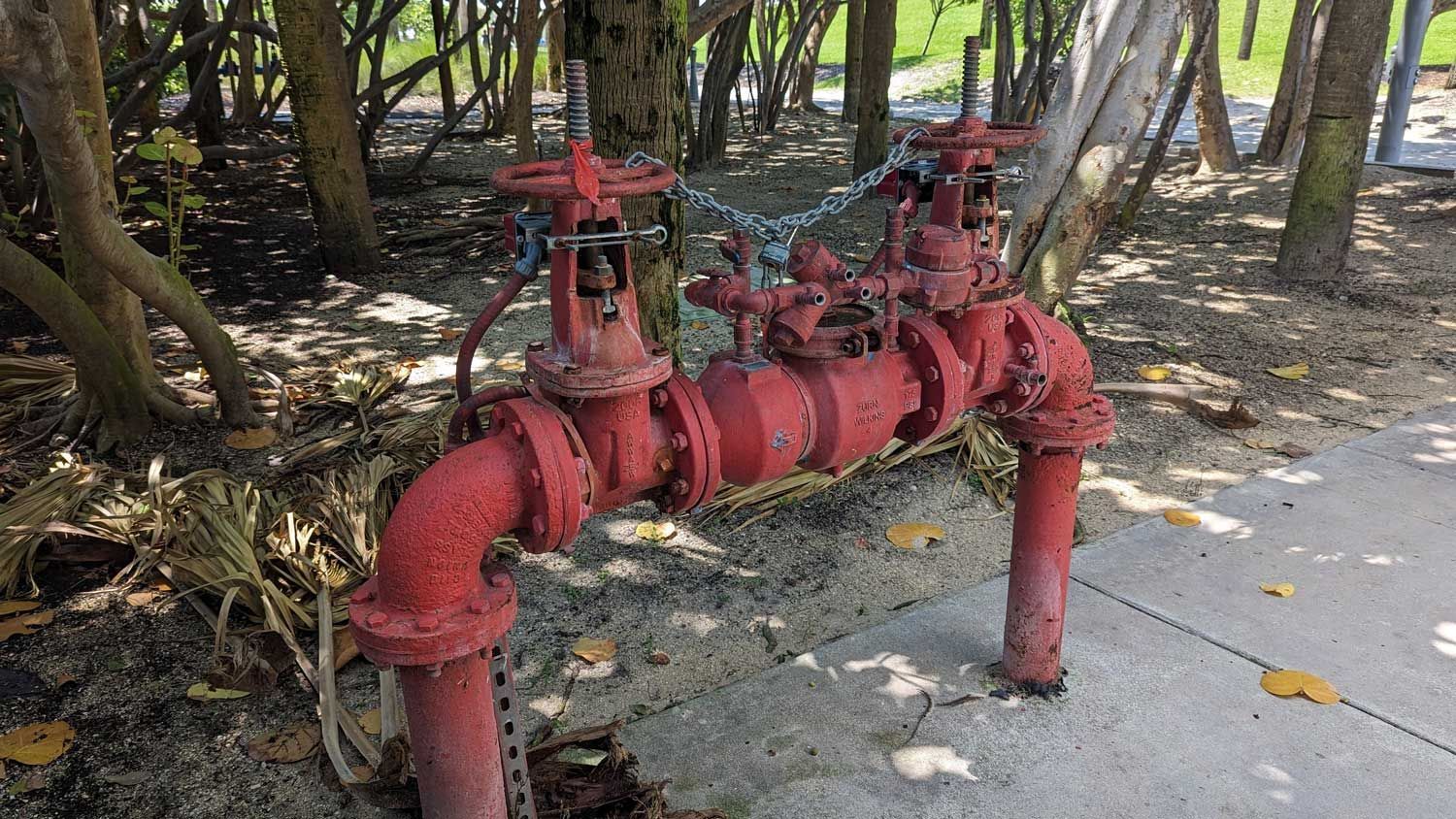
Before panicking about the cost or complexity of the solution, it is helpful to understand why these devices fail. Backflow preventers are mechanical assemblies with moving parts, springs, and seals that are subject to wear and tear over time. One of the most frequent reasons for failure is debris accumulation. Small particles from the municipal water supply or internal pipe corrosion can lodge themselves in the check valves, preventing them from sealing tightly. This obstruction allows water to flow in the wrong direction, triggering a fail result during testing.
Another common issue involves worn-out O-rings or seals. These rubber components degrade due to constant exposure to water pressure and temperature fluctuations. When they harden or crack, they compromise the integrity of the assembly. Additionally, improper installation or previous unauthorized repairs can lead to alignment issues that cause failures. By identifying the root cause, you can determine whether a simple cleaning or a part replacement will suffice. If you are looking for trusted back flow inspections, professionals can quickly diagnose these specific issues during the initial assessment.
2. Evaluating Repair Versus Replacement Options
Once the specific cause of the failure is identified, the next step is deciding between repair and replacement. This decision largely depends on the age of the unit, the availability of parts, and the extent of the damage. Minor issues, such as debris blockage or a single worn seal, are typically resolved through repair. Cleaning the assembly and replacing specific internal components is often significantly cheaper than installing a new unit. Furthermore, if the device is relatively new, repairing it is usually the most logical financial choice.
However, replacement becomes necessary when the housing is cracked, corroded, or if the model is obsolete and parts are no longer available. Older units may also lack the efficiency of newer models, making replacement a better long-term investment. A certified technician will evaluate the cost-benefit ratio for you. If multiple components are failing simultaneously, replacement might prevent future breakdowns and additional service calls. When considering back flow services, experts can provide transparent quotes for both options, ensuring you make an informed decision based on your budget and system needs.
3. Compliance Timelines and Certified Technicians
After a failed inspection, time is a critical factor. Local water authorities in Florida typically mandate that repairs or replacements be completed within a specific timeframe, often ranging from 10 to 30 days. Failing to meet this deadline can result in water service suspension or fines. Therefore, it is essential to act promptly once you receive the failure notice. However, speed should not come at the expense of quality. It is crucial to hire a certified backflow tester rather than a general plumber for these repairs after a back flow inspection.
Backflow prevention devices require specialized knowledge and certification to test and repair correctly. General plumbers may not have the specific gauges or training required to ensure the device meets American Society of Sanitary Engineering (ASSE) standards. Using an uncertified individual can lead to improper repairs, resulting in another failed test and wasted money. Always verify that your service provider holds the appropriate state and local certifications. You can check our Google Profile to see reviews and verify the credentials of trusted local technicians who specialize in these critical systems.
4. The Re-Testing and Reporting Process
The final step in resolving a failed inspection is the re-test and proper documentation. Once repairs or replacements are complete, the device must be tested again to ensure it functions correctly. This re-test is not optional; it is a mandatory requirement to close out the failure notice with the water utility company. A certified technician will perform the test using calibrated gauges to measure pressure differentials across the device. If the unit passes, the technician will generate a new compliance report.
This report must be filed with the local water authority to update your property’s status. Reputable companies handle this filing process on your behalf, ensuring that all paperwork is submitted accurately and on time. This eliminates the administrative burden on the property owner and guarantees that your records are up to date. Maintaining accurate records is vital for future inspections and property transactions. By choosing a professional service, you ensure that the entire process, from diagnosis to filing, is handled seamlessly. For expert back flow inspections in Avon Park, FL, trust a team that prioritizes compliance and customer peace of mind.
Contact C&C Plumbing & Repair for Expert Assistance
Navigating a failed inspection does not have to be stressful. By understanding the common causes, evaluating repair options, adhering to timelines, and hiring certified professionals, you can resolve the issue efficiently.
C&C Plumbing & Repair is dedicated to providing high-quality, compliant services to keep your water safe and your property in good standing. Call us today at
863-465-0320 to
schedule your repair or re-test.